Why Every Visitor Falls in Love with the Icelandic Lopapeysa

In West Iceland, the lopapeysa holds a particularly special place. Sheep farming has been an important part of local life for centuries, and visitors can still spot sheep grazing across the region, from Borgarfjörður and Snæfellsnes to Dalir. The wool that gives the sweater its unique character is deeply rooted in this landscape and in the long-standing connection between people and nature.
From Workwear to National Icon
The story of the lopapeysa reflects the story of Iceland. What began as practical outerwear for people working in demanding conditions on land and at sea gradually evolved into a treasured souvenir and, later, a celebrated fashion piece. In many ways, the sweater tells the story of Iceland's weather, livelihoods, and everyday life.
Many travelers visiting West Iceland experience this firsthand. After a day exploring the powerful waterfalls of Borgarfjörður, walking along the dramatic coastline at Arnarstapi, or enjoying the views across Breiðafjörður Bay, few things feel better than pulling on a warm wool sweater and experiencing the comfort of Icelandic wool in the cool Atlantic air.
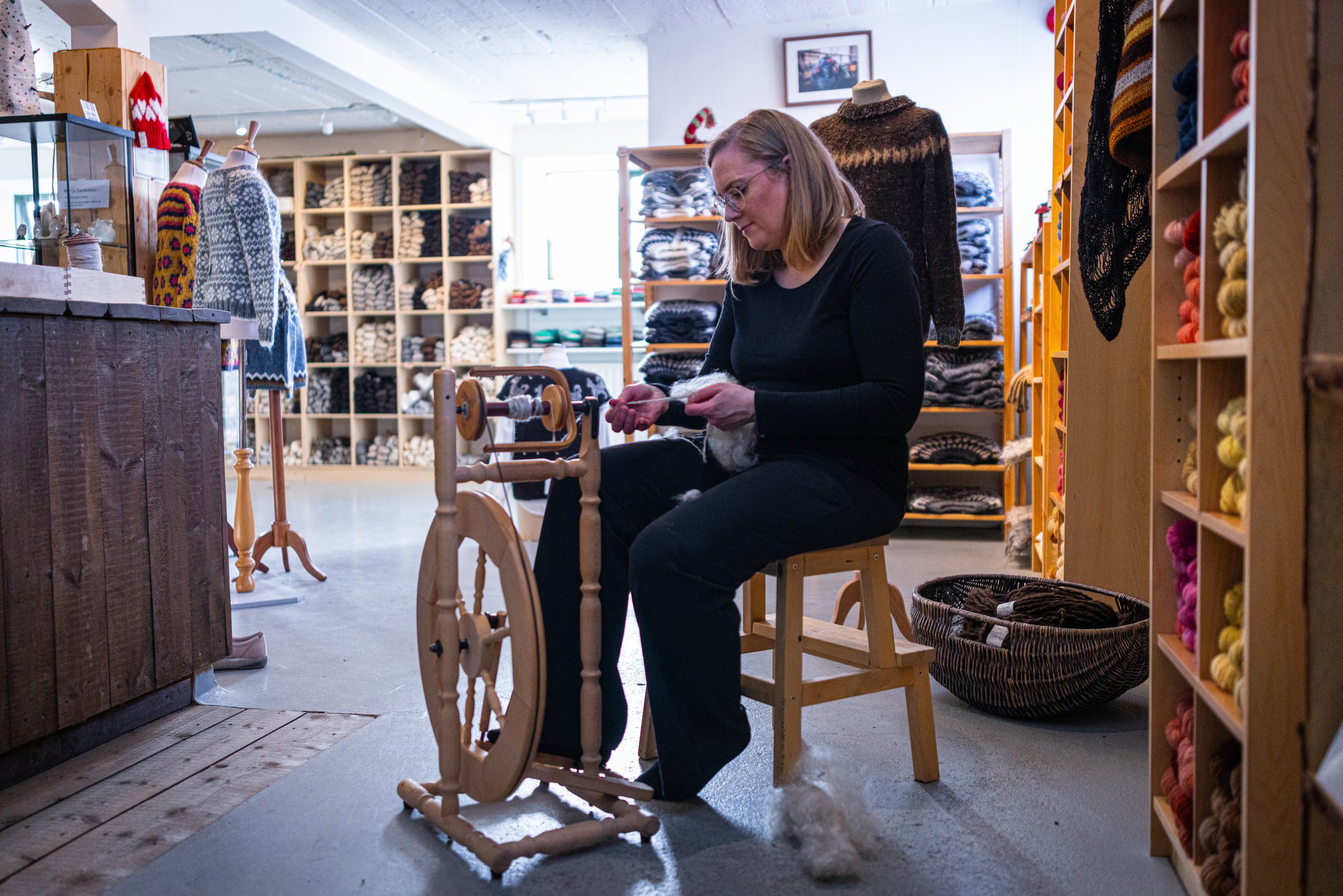
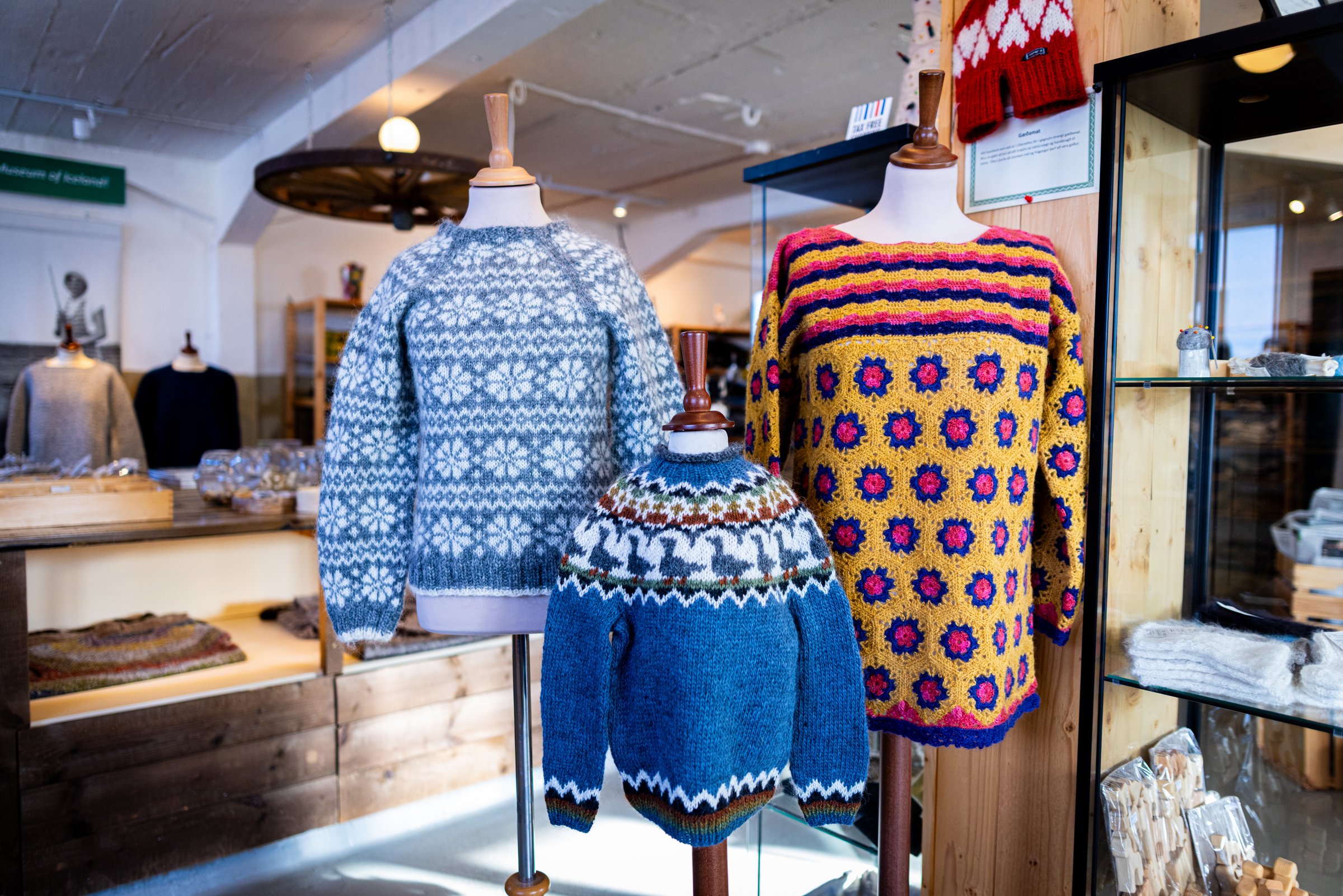 Ullarsel Wool Center in Hvanneyri
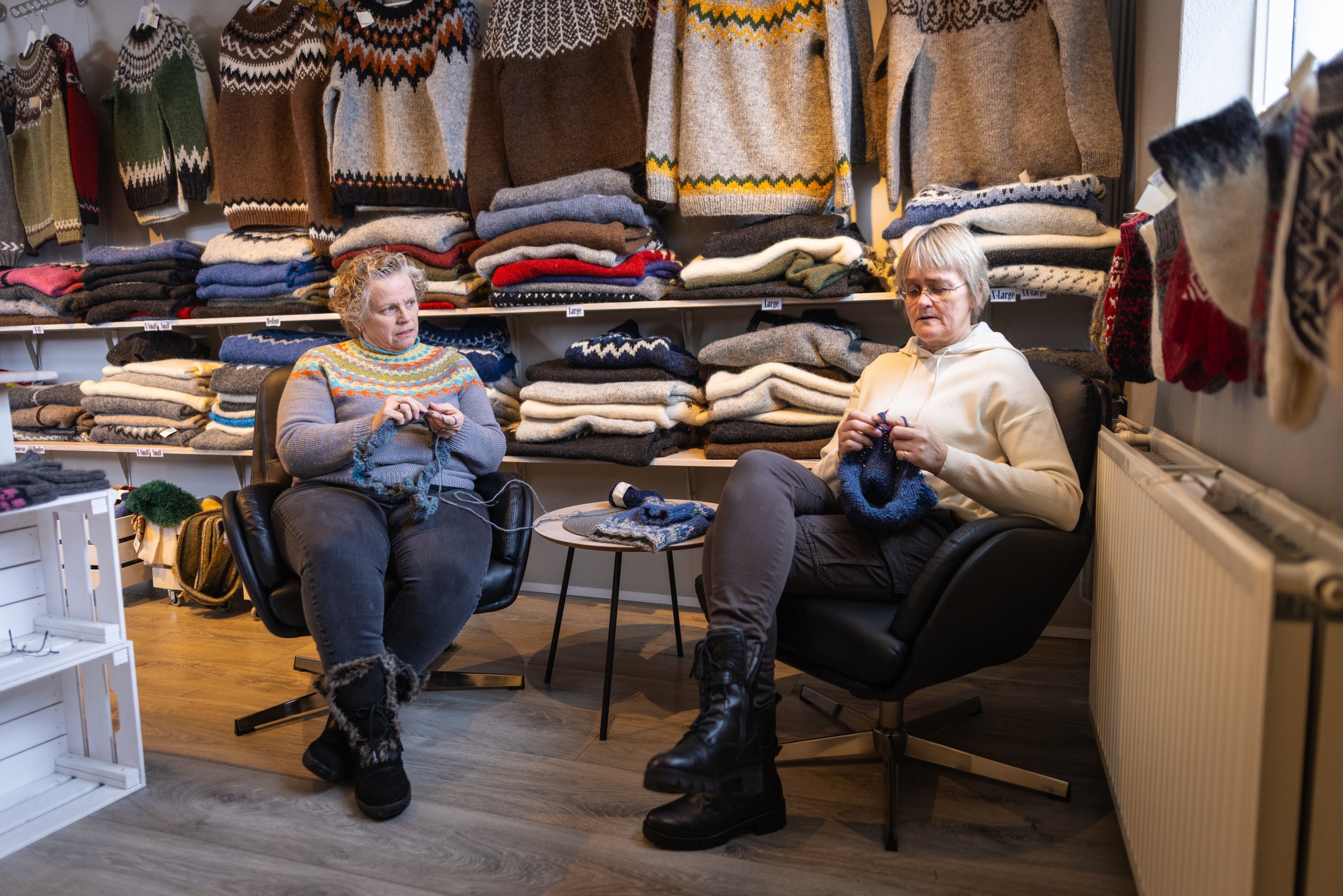 Bolli Icelandic craft in Búðardalur
Wool with Unique Qualities
The true distinction of the lopapeysa lies in its material. The wool of Icelandic sheep has developed over centuries in a climate defined by strong winds, cold winters, and rapidly changing weather. As a result, it is exceptionally warm, lightweight, and naturally water-resistant.
When traveling through West Iceland, it is easy to understand why these qualities matter. Whether facing ocean winds beneath Snæfellsjökull Glacier or enjoying a crisp summer day near the Hraunfossar waterfalls, the lopapeysa has served as a trusted companion for generations of Icelanders.
A Living Handcraft Tradition
The Icelandic lopapeysa was not created in a design studio. Instead, it emerged gradually through the work of countless knitters across the country. Drawing inspiration from foreign knitting patterns, they adapted designs to suit Icelandic wool and, in the process, created a tradition that continues to thrive today.
That tradition remains alive in West Iceland. Local craft shops, galleries, and artisans offer a wide range of hand-knitted sweaters where traditional patterns meet contemporary creativity. Every sweater carries with it a story of craftsmanship, patience, and artistic expression.
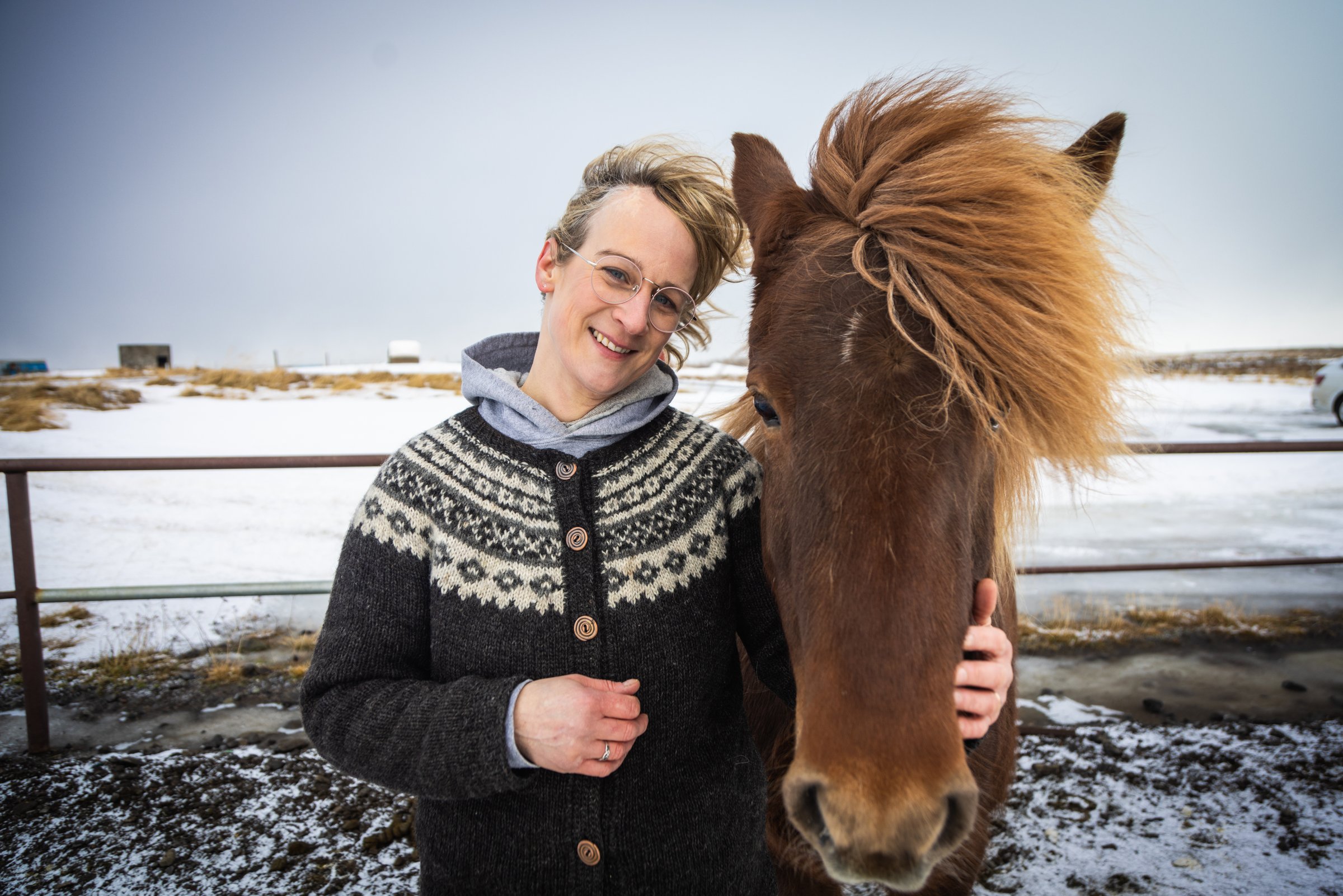
Inspired by the Landscapes of West Iceland
Although patterns vary, many seem to echo elements of Icelandic nature. The circular yoke often reminds people of mountain horizons, rolling ocean waves, or the volcanic landscapes that define much of West Iceland. The colors, too, are inspired by the surroundings: grey lava fields, black coastlines, snow-covered glaciers, green valleys, and the natural shades of Icelandic wool.
Standing before Snæfellsjökull, Kirkjufell, or the vast landscapes of Borgarfjörður, it becomes easy to see how Iceland's dramatic scenery has influenced the timeless aesthetic of the lopapeysa.
More Than Just a Sweater
In recent decades, the lopapeysa has enjoyed a remarkable revival, appealing not only to Icelanders but also to visitors from around the world. It has become an important part of Icelandic design heritage while remaining firmly connected to its origins and the wool that makes it unique.
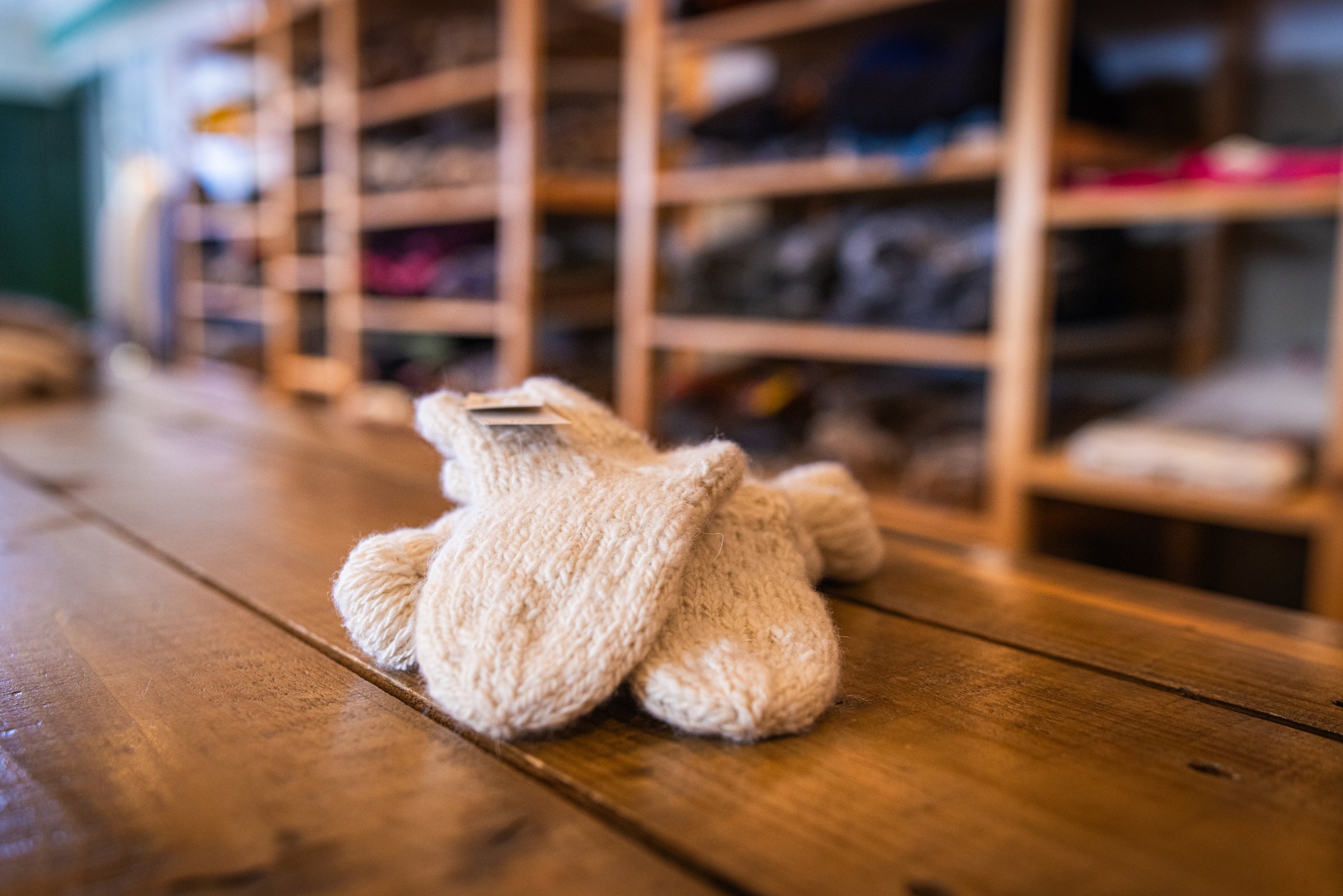
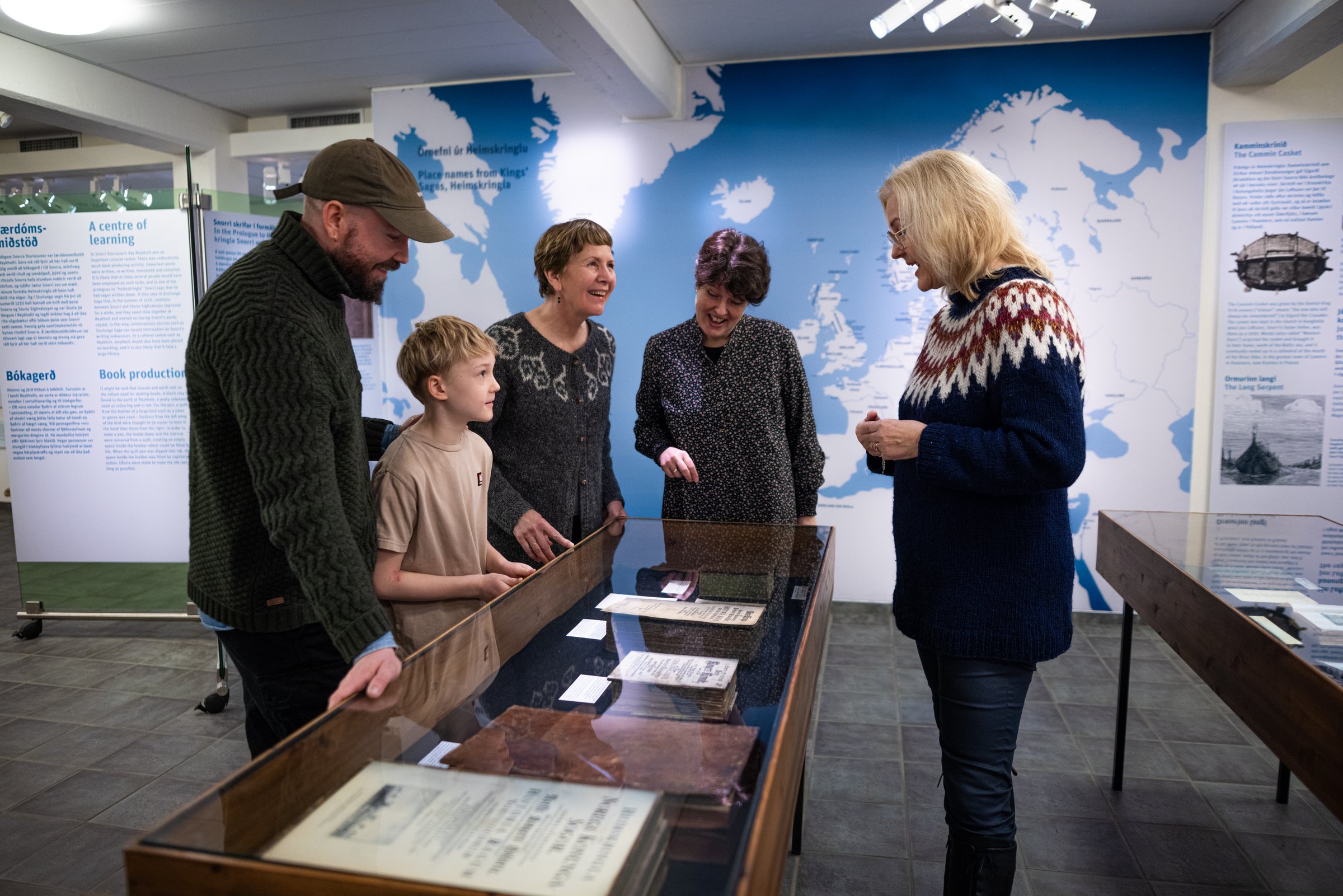
For those exploring West Iceland, the lopapeysa is more than a souvenir. It becomes part of the travel experience itself, a tangible reminder of Icelandic culture and a lasting connection to the landscapes, people, and stories encountered along the way.
Perhaps that is why the Icelandic wool sweater continues to captivate people worldwide. It offers more than warmth. It tells the story of a country, its people, and a living tradition that continues to evolve while remaining deeply rooted in Iceland's past.