
Winter is coming

Check the weather before you travel
Icelandic winter weather can change rapidly, sometimes within hours. Before setting out each day, check the latest forecast and pay particular attention to wind, precipitation, temperatures and weather warnings. The Icelandic Meteorological Office provides up-to-date forecasts and warnings.
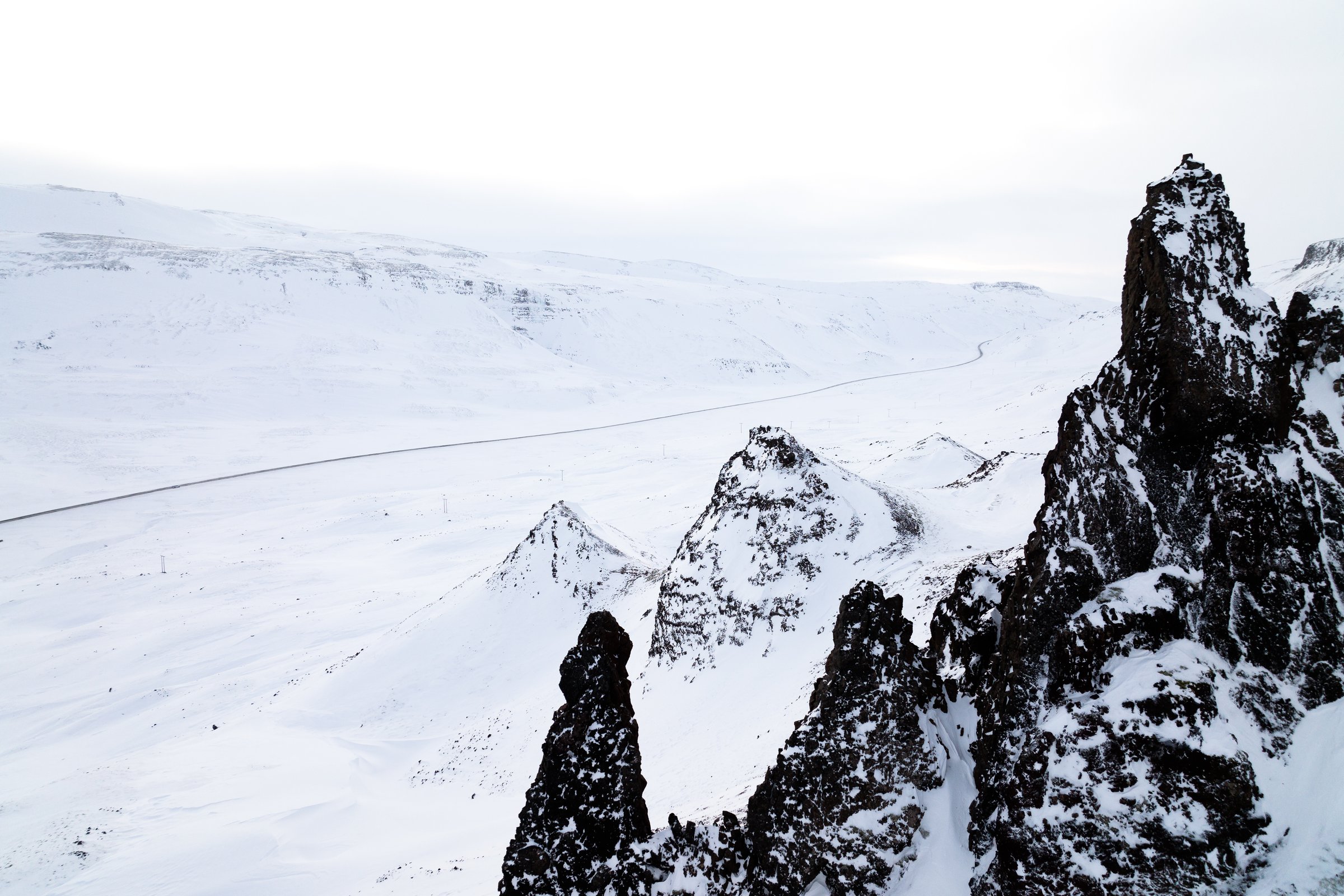
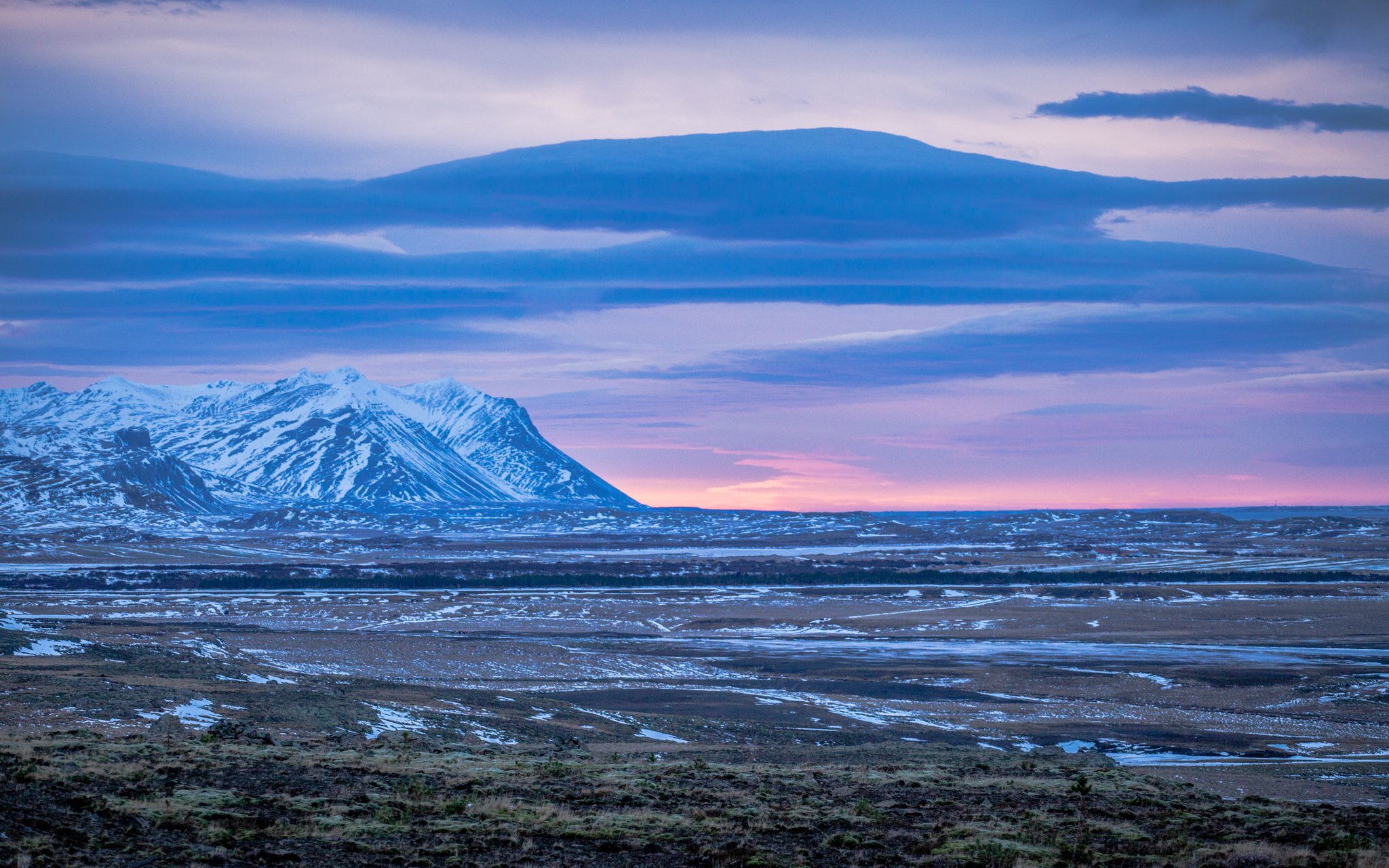
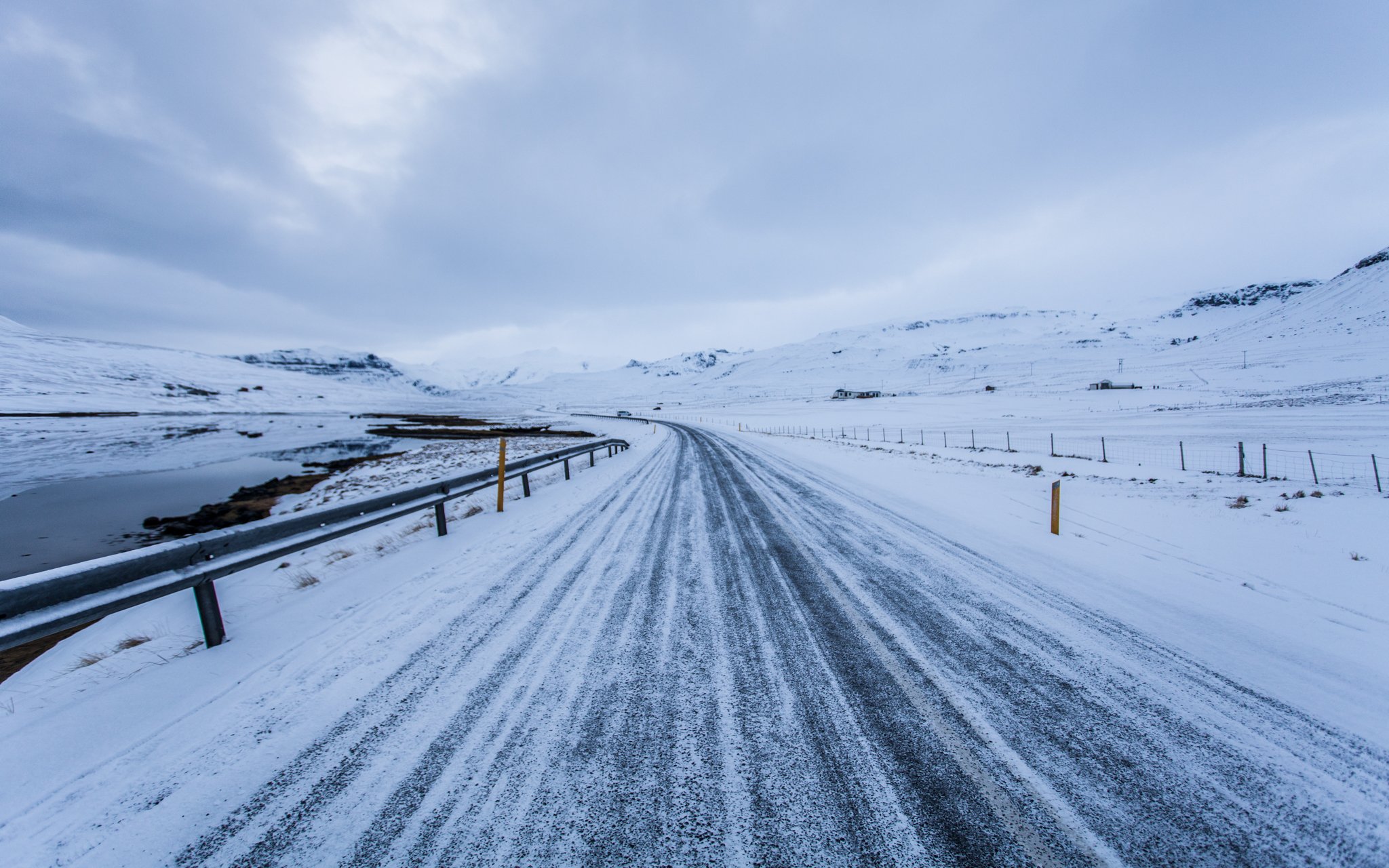
Keep an eye on the roads
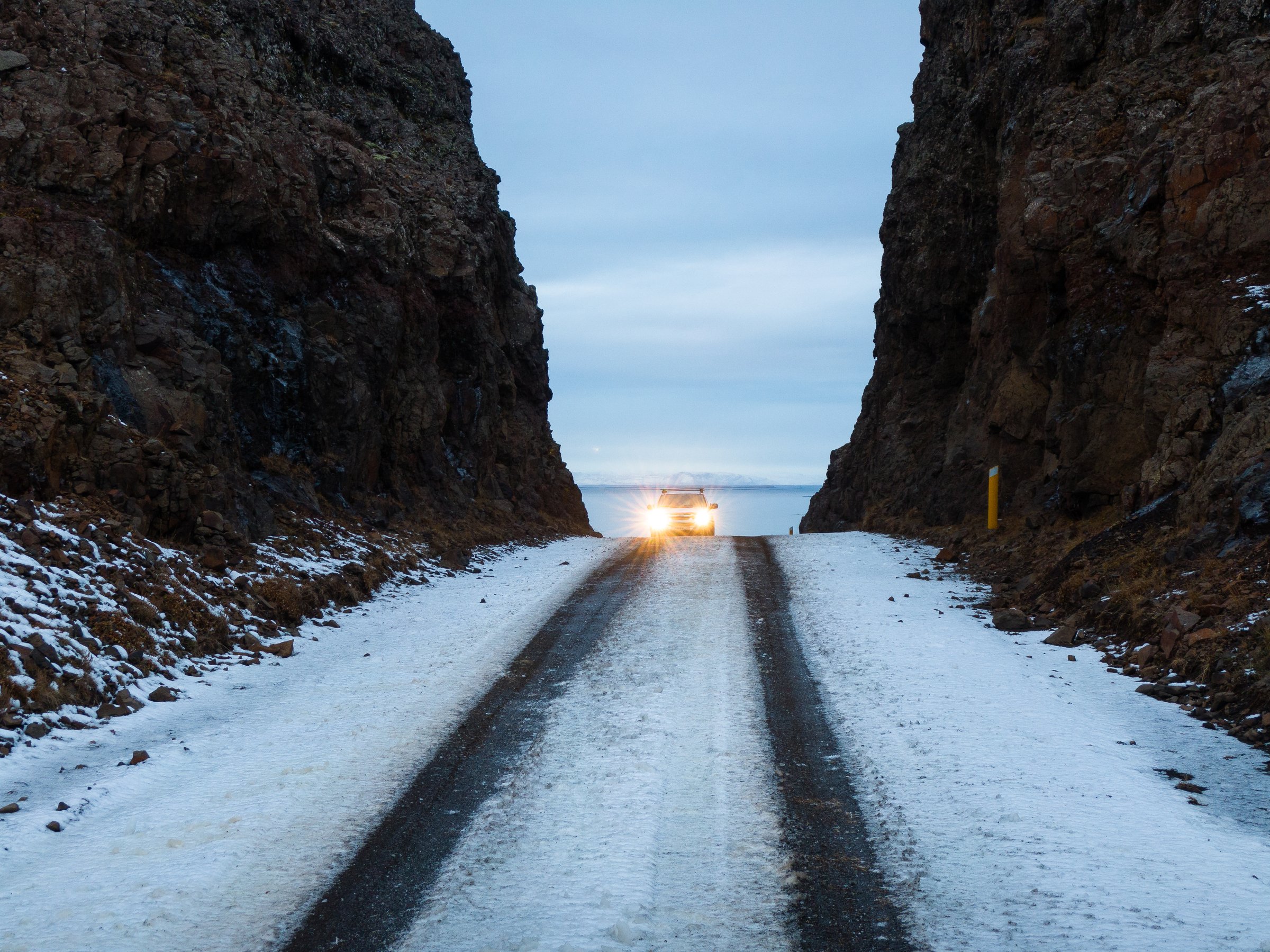
Snow, ice, strong winds and reduced visibility can make winter driving challenging. Always check road conditions before leaving and be prepared to change your plans if conditions deteriorate. Roads may become slippery or difficult to pass, and some routes can be closed during severe weather.
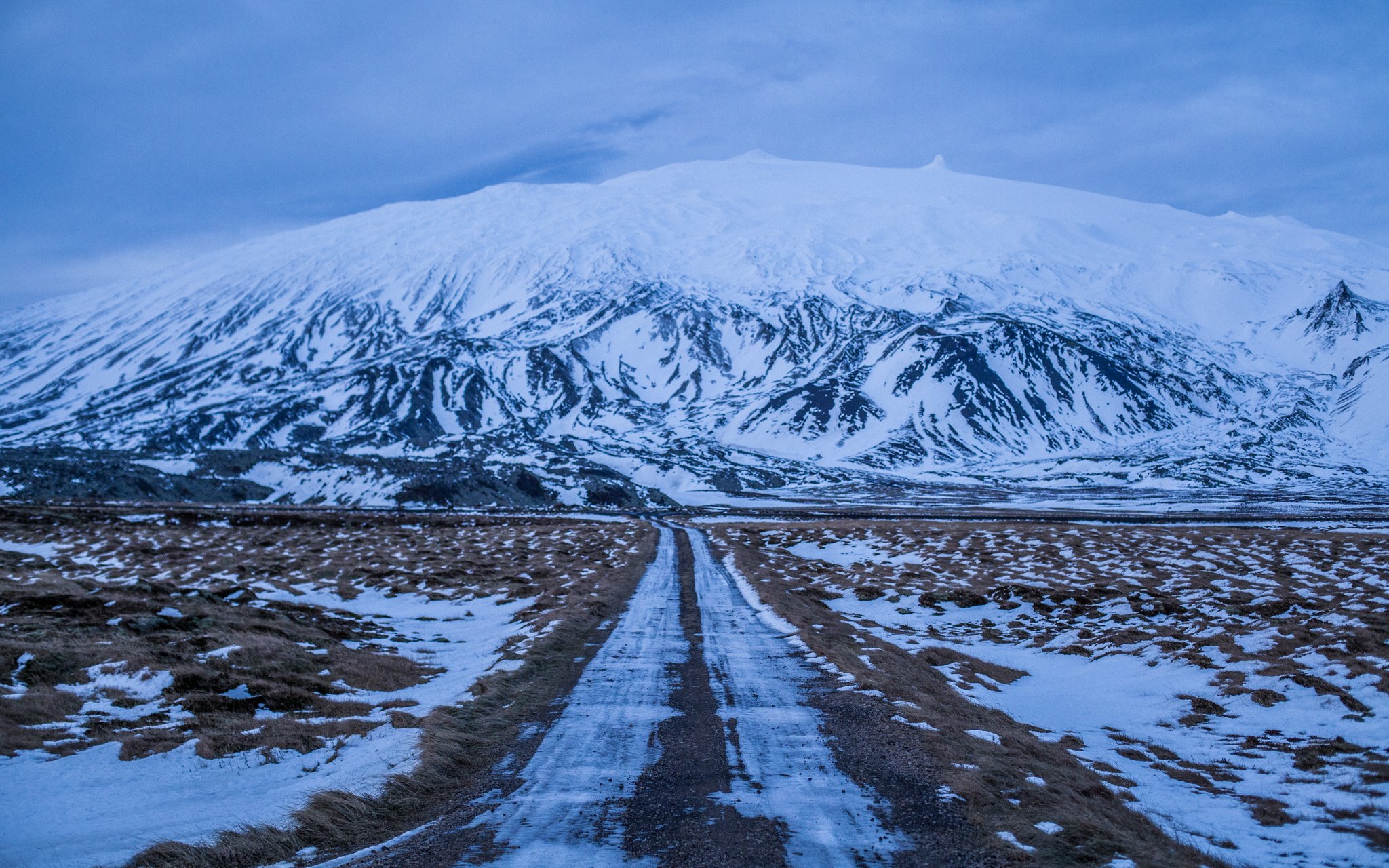
Pack for the Icelandic winter
Layers are your best friend. Bring a warm insulated jacket, wool or thermal layers, waterproof trousers and jacket, warm socks, gloves, a hat and sturdy waterproof footwear. Ice grips are also highly recommended, even when walking around towns, as pavements and paths can become icy.
Plan around the daylight
Winter days are short, particularly in December. Plan your sightseeing carefully and avoid trying to fit too much into one day. Leave plenty of time for driving and remember that attractions, viewpoints and walking trails can look very different in darkness or poor weather.
Be flexible
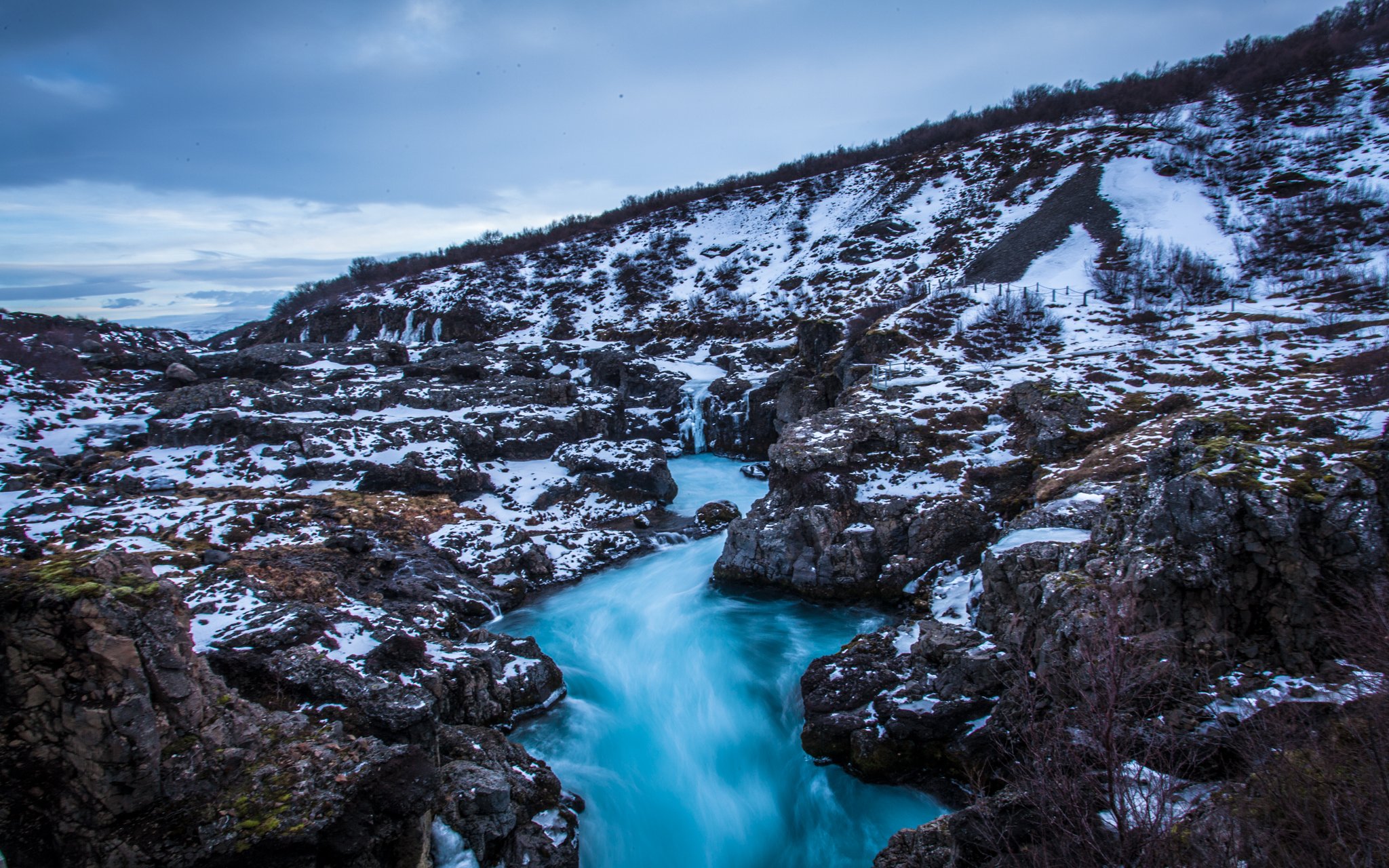
One of the most important rules of winter travel in West Iceland is don't let your itinerary control you. If strong winds or heavy snow arrive, slow down, postpone a journey or choose a nearby activity instead. There are plenty of cafés, museums, swimming pools and cultural experiences to enjoy when outdoor conditions aren't ideal.
Prepare for the Northern Lights
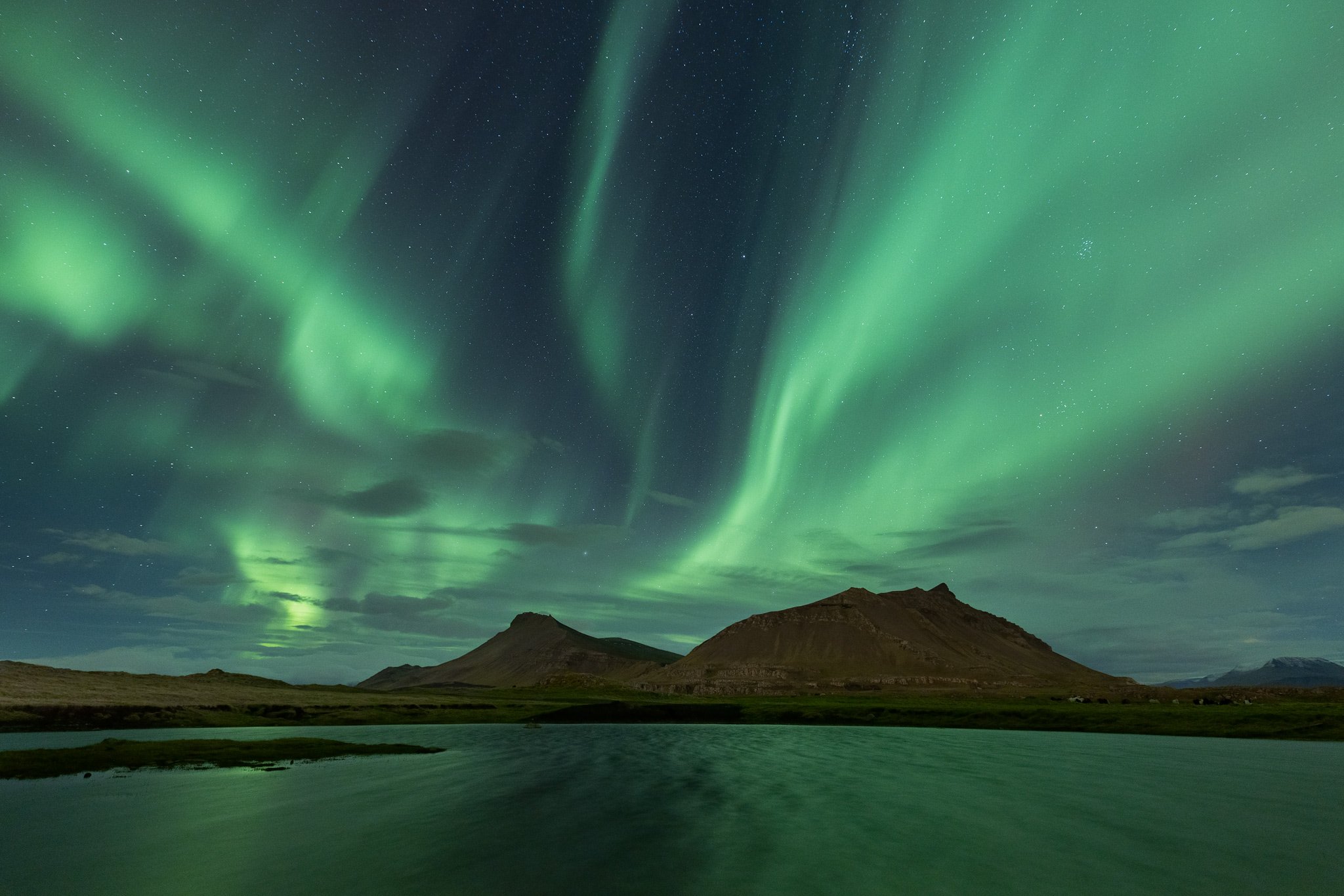
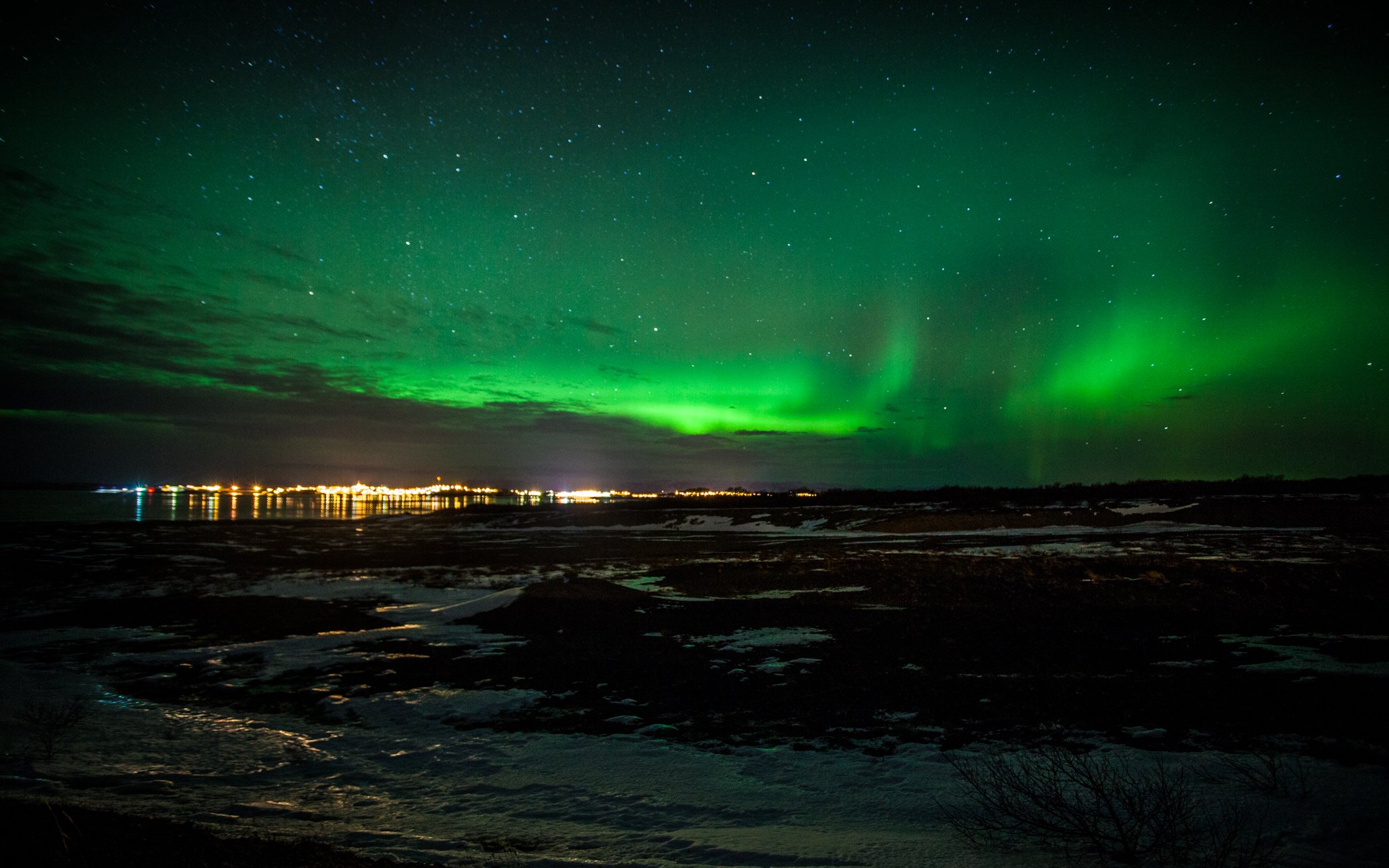
Winter also brings one of Iceland's most magical experiences: the Northern Lights. Dark evenings and relatively low light pollution in many parts of West Iceland create excellent opportunities to watch the aurora. Be prepared to stay outside for a while—and remember that clear skies and patience are just as important as aurora activity.
Travel safely
Before heading out, check weather and road conditions, share your travel plan with someone and use the SafeTravel information and alerts. In an emergency, call 112. SafeTravel is operated by ICE-SAR and provides official information for travellers in Iceland.
Winter in West Iceland is not something to fear—it is something to prepare for. With warm clothing, sensible planning and a flexible attitude, you can experience a quieter side of the region, from snow-covered mountains and frozen landscapes to cosy cafés, hot pools and dancing Northern Lights.