
A Birdwatcher’s Guide to West Iceland

Hvanneyri: A Landscape of Ecological and Educational Value
Hvanneyri is home to extensive flood meadows covering more than 100 hectares, creating rich and dynamic wetland ecosystems. Traditional land use has helped preserve the area’s biodiversity, making it an important habitat for birdlife. Around 40 bird species breed within the reserve, including Arctic terns, whooper swans, black-tailed godwits, and white-tailed eagles. The area is also an important stopover site for the Greenland white-fronted goose. To protect this fragile ecosystem, bird hunting is prohibited and any land disturbance within the reserve requires special permission.
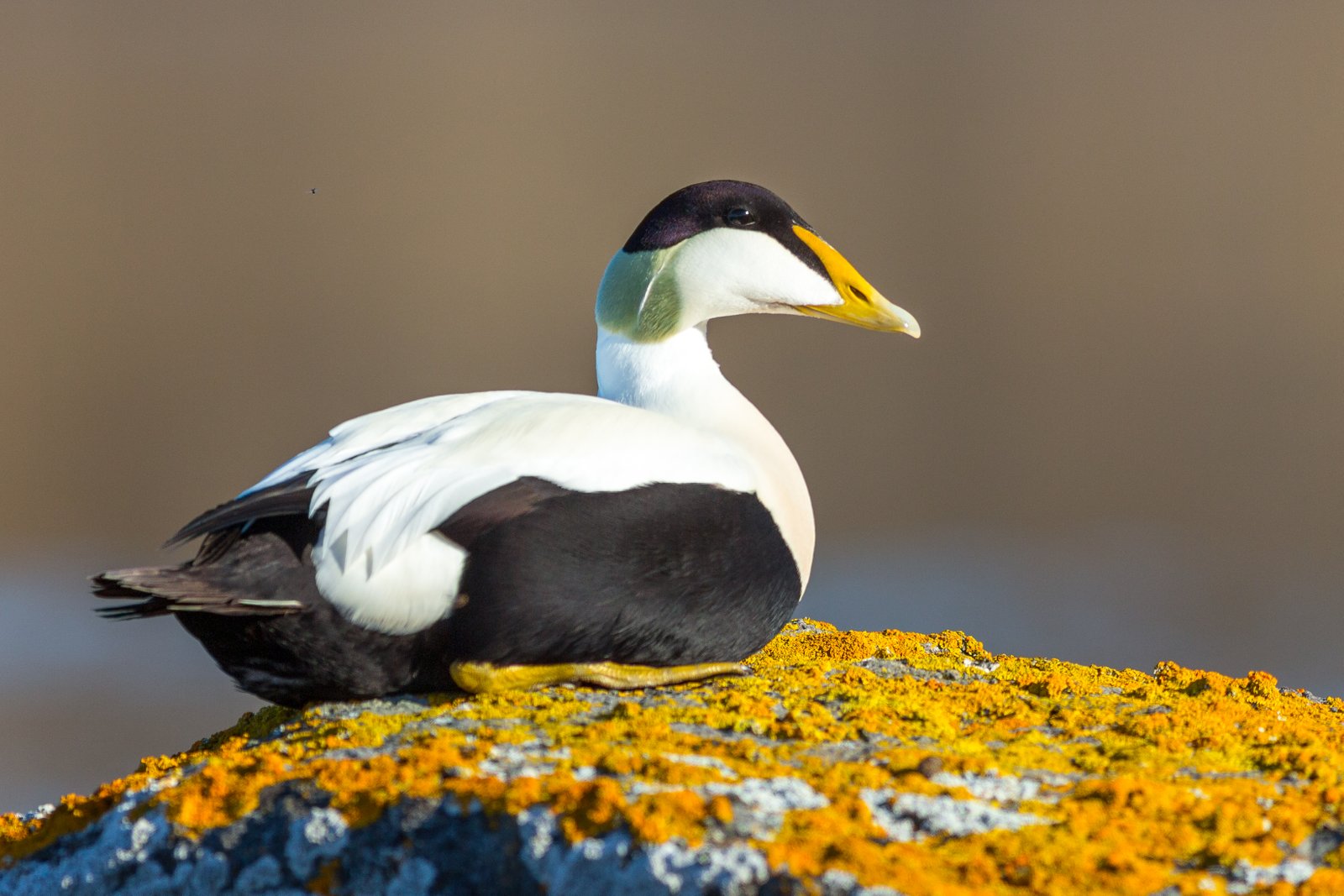
A Natural Haven for Birdlife Near Akranes
Blautós and Innstavogsnes are rich wetland areas near Akranes, known for their diverse birdlife, lush vegetation, and scenic landscapes. The reserve is an important stopover site for barnacle geese during spring and autumn migration, with around a quarter of the population using the area together with nearby Grunnafjörður. Eider ducks also nest in the reserve. Due to its proximity to Akranes, the area is popular for outdoor recreation and can be visited year-round, provided visitors treat the fragile environment with care and respect.
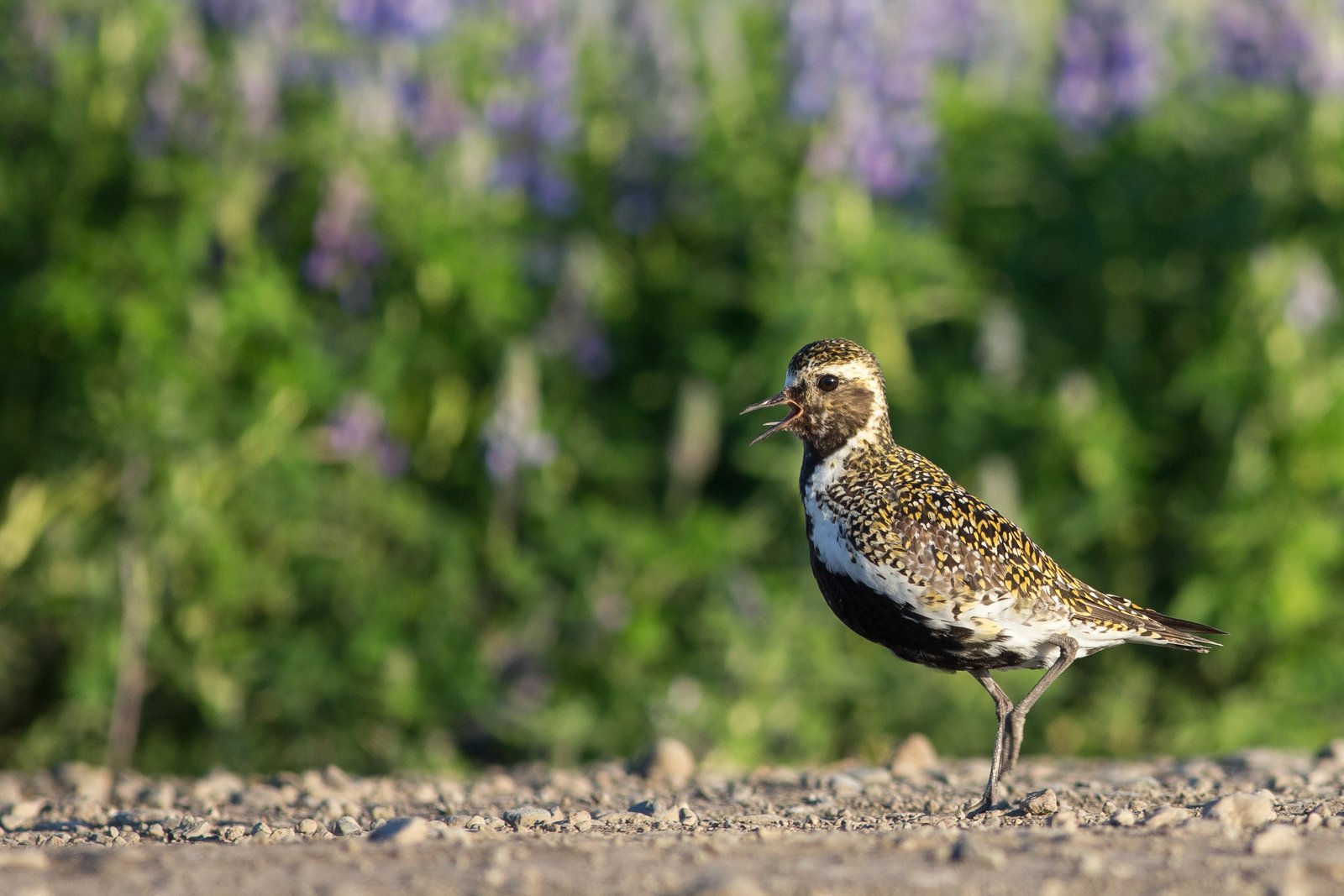
Unique Coastal Wetlands at Grunnafjörður
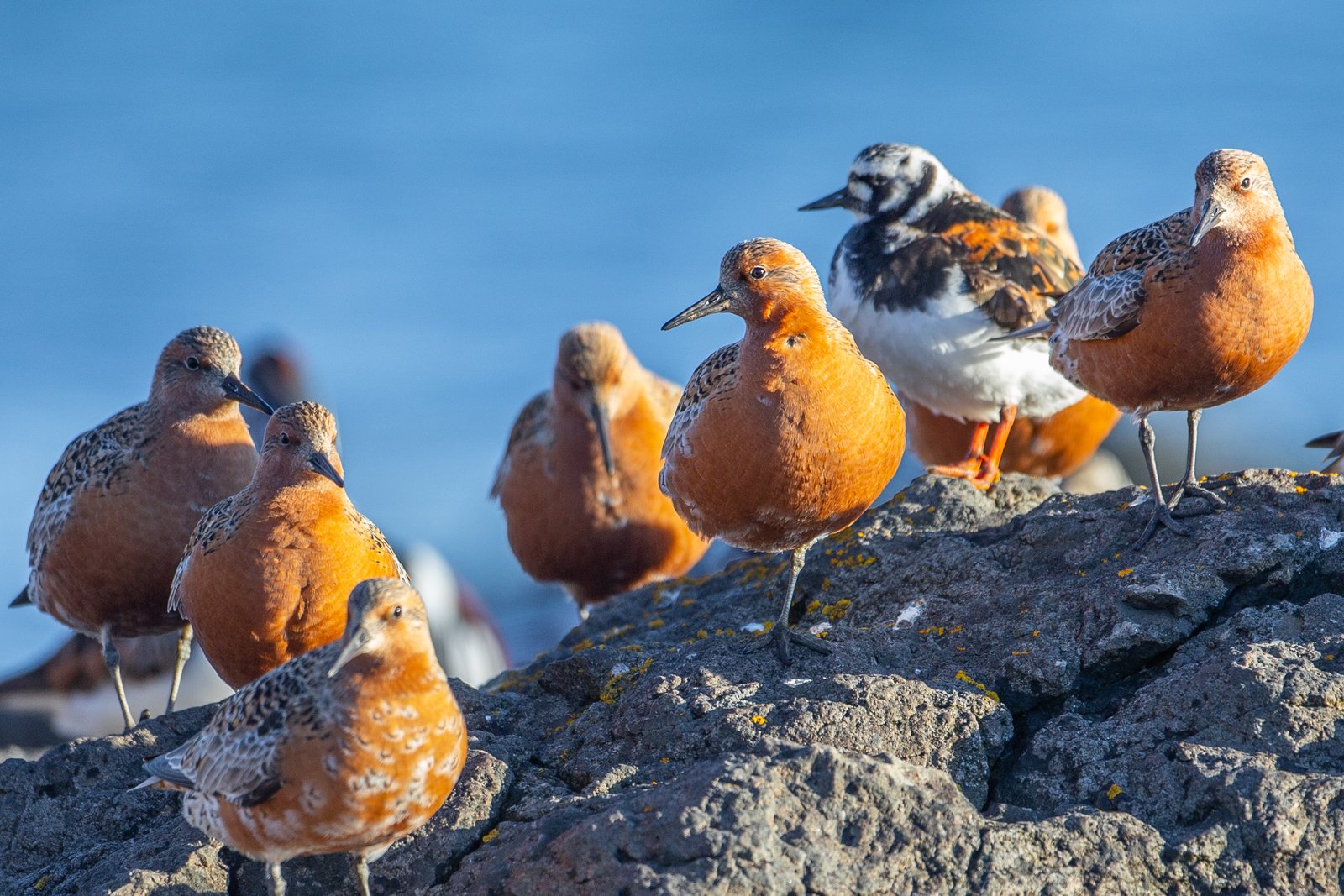
Grunnafjörður is Iceland’s only coastal Ramsar site and an internationally important habitat for migratory birds. Around 25% of the barnacle goose population and 1% of the global red knot population stop here during migration. The fjord’s rich mudflats support a wide variety of bird species, including oystercatchers, dunlins, purple sandpipers, and eider ducks. Several vulnerable species have also been recorded in the area, along with nesting white-tailed eagles. Thanks to its rich ecosystems and diverse birdlife, Grunnafjörður is considered one of Iceland’s most valuable wetland areas.
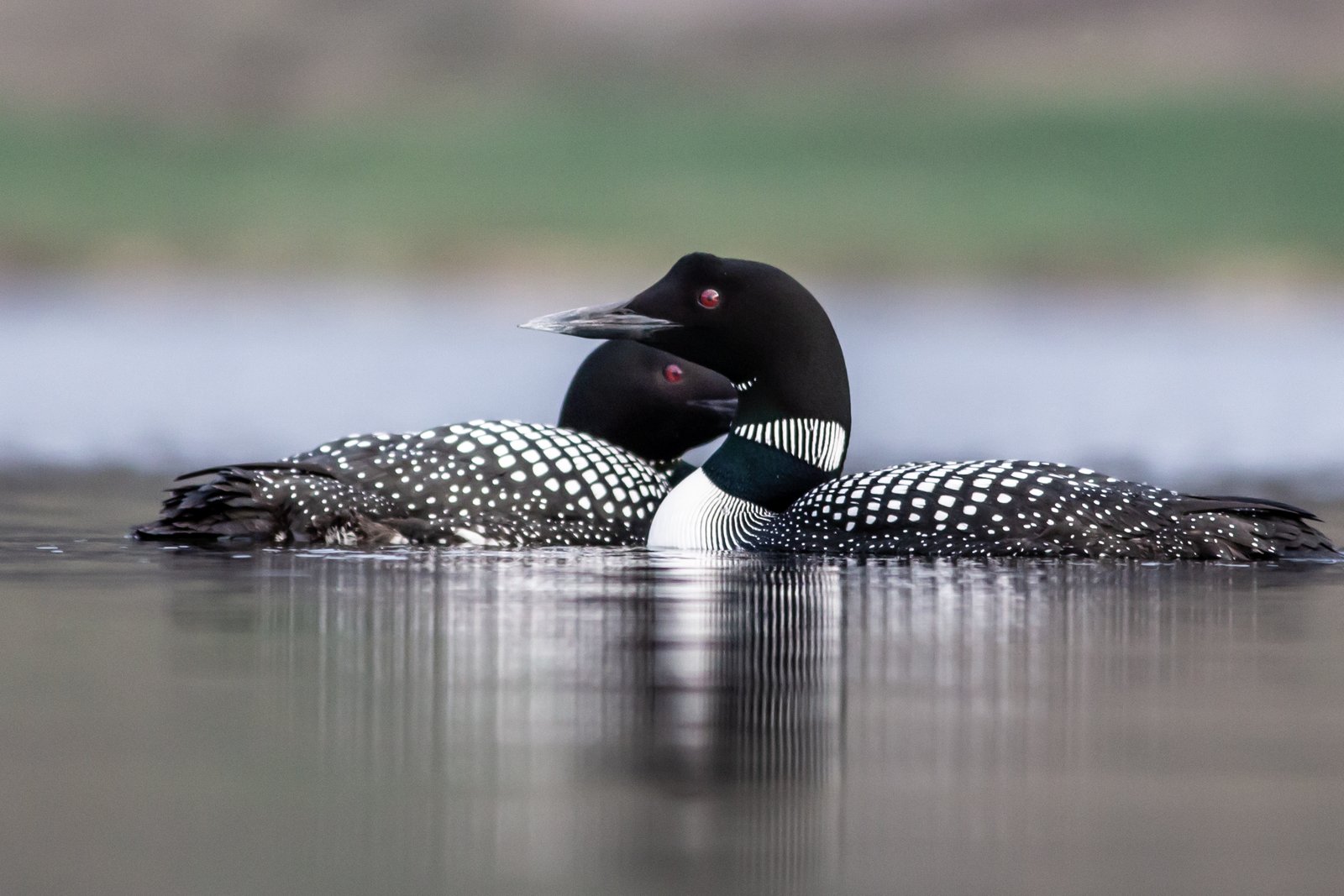
Breiðafjörður: One of Iceland’s Richest Birdlife Areas
Breiðafjörður is a shallow bay on Iceland’s west coast, famous for its rich birdlife, dramatic tides, and more than 2,500 islands, islets, and skerries. The bay’s extensive mudflats, rocky shores, and shallow marine habitats create one of Iceland’s most important ecosystems for seabirds, waders, geese, and sea ducks.
Thousands of migratory birds from Europe and North America stop in the area each year, while many species breed on the islands and coastlines. Breiðafjörður is also home to one of Iceland’s largest Atlantic puffin populations, making the bay one of the country’s most important and diverse birdwatching destinations.
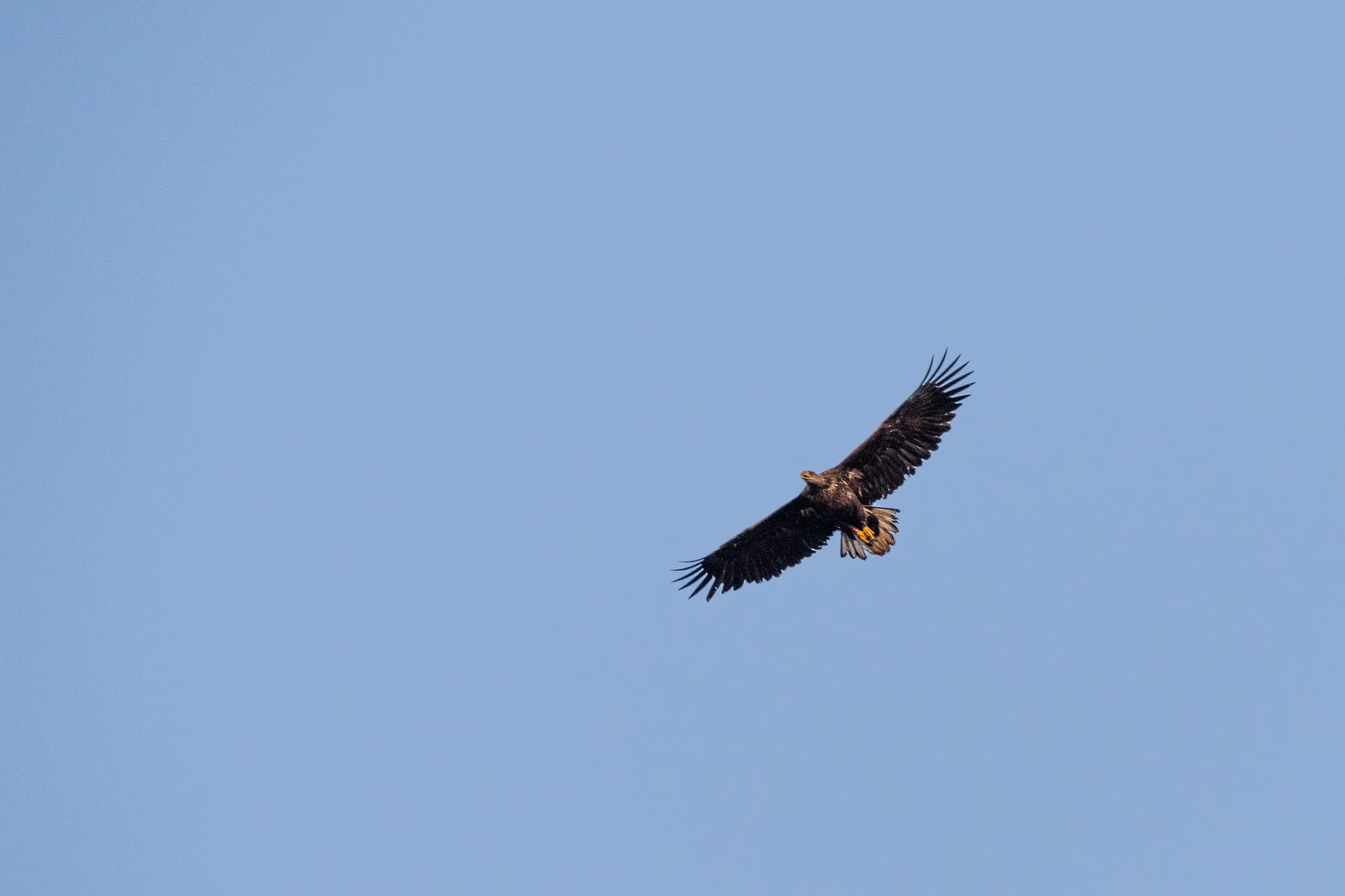
Explore the Birdlife Between Arnarstapi and Hellnar
Arnarstapi on the Snæfellsnes Peninsula is renowned for its diverse and thriving birdlife, especially along the coastal cliffs that line the shoreline. The protected area stretching between Arnarstapi and Hellnar provides outstanding opportunities for birdwatching, with species such as great black-backed gulls, black-headed gulls, and red-necked phalaropes commonly seen in the area.
The scenic walking path connecting Arnarstapi and Hellnar offers visitors a perfect chance to experience both the rich birdlife and the striking natural landscapes that characterize this unique part of Iceland.
Following the Endless Summer: The Arctic Tern
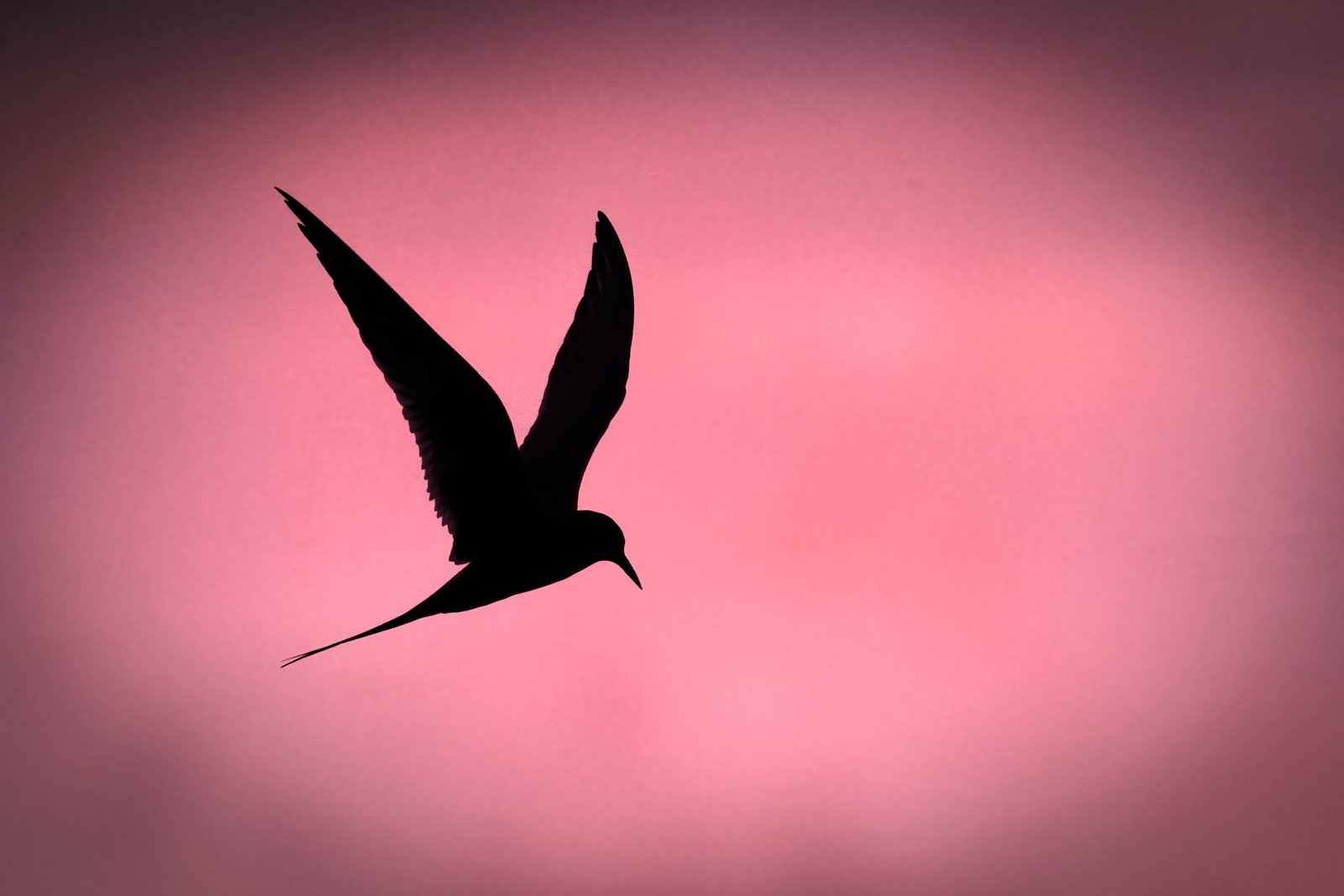
The Arctic tern is famous for having the longest migration of any bird species, traveling each year between the Arctic and Antarctica. Known for its graceful flight and fearless defense of its nesting grounds, it is one of Iceland’s most iconic seabirds.
Snæfellsnes is one of Iceland’s most important breeding areas for Arctic terns. The largest colony is found at Rif and Hellissand, where more than 10,000 breeding pairs have been recorded — nearly ten percent of Iceland’s entire breeding population.
During summer, Arctic terns nest along the coastlines, wetlands, and black sand beaches of West Iceland. Interestingly, puffins return to Iceland around the same time Arctic terns arrive in May, and both species depart again in mid-August.
A Final Reflection
West Iceland is a region where diverse landscapes and rich birdlife come together in remarkable ways. From the countless islands of Breiðafjörður to the wetlands, coastlines, and cliffs found across the region, every area offers a unique connection to Icelandic nature.
Whether it is puffins nesting along sea cliffs, the sound of the common snipe across open marshes, or Arctic terns soaring above the shoreline, birdwatching in West Iceland provides unforgettable encounters with wildlife.
Discover the untamed landscapes of West Iceland and experience the birdlife that makes this region truly unique.